The vintage-eyewear market is booming — and where there's demand, there are fakes. Whether you're eyeing a pair of Gaultiers, Cartiers, or any rare designer frame, this collector's checklist will help you tell a genuine artifact from an expensive disappointment.
The short versionAuthentication comes down to markings, materials, hardware, and provenance. Real vintage designer frames carry correct model numbers and country-of-origin stamps, are built from quality materials, have period-correct hardware, and come from sellers who can verify them.
Model numbers and engravings.
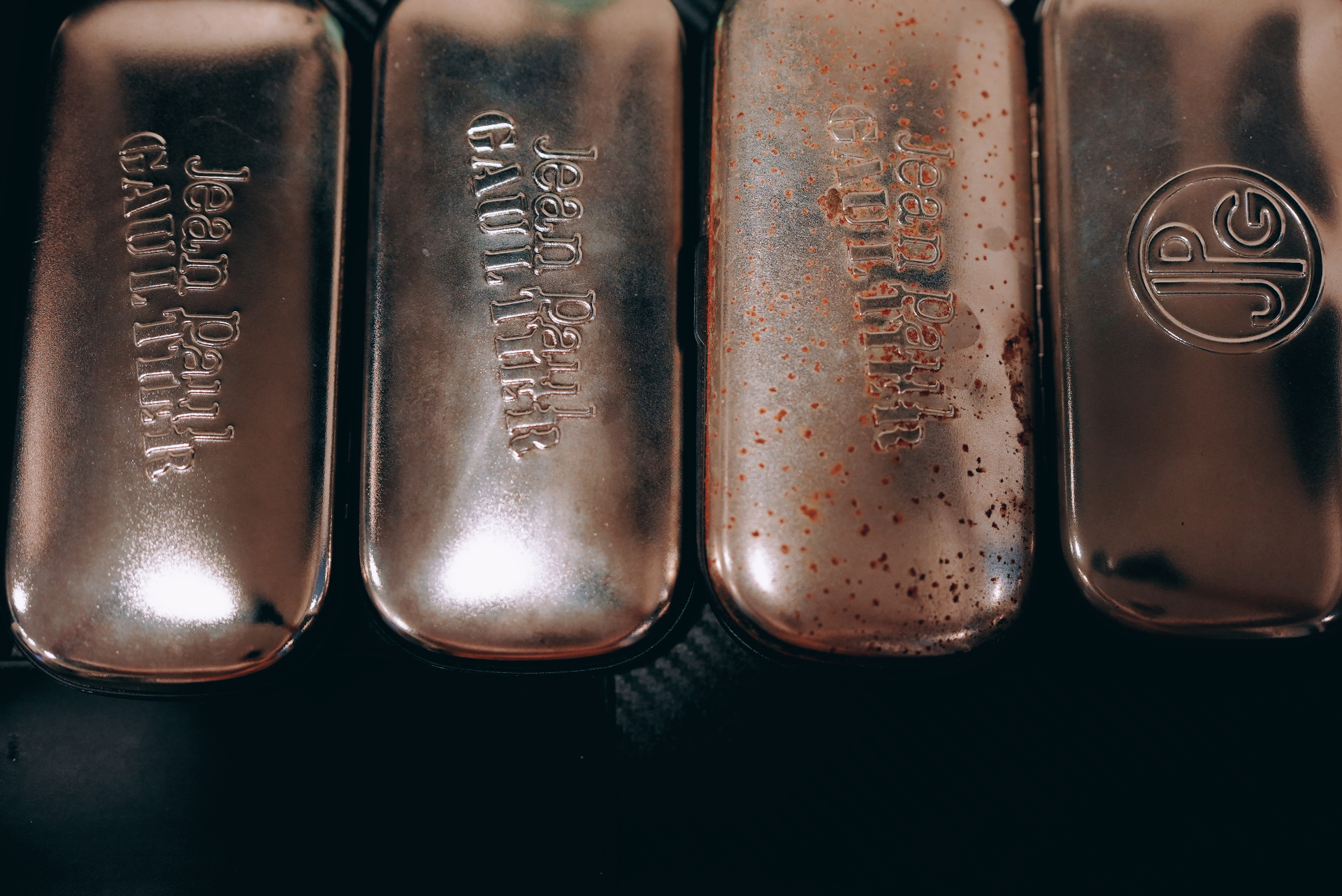
Genuine designer frames almost always carry a model number and brand engraving — on the temple, bridge, or inside the arm. It should be crisp, evenly spaced, and correctly styled. Shallow, blurry, or misaligned lettering is one of the clearest signs of a fake.
Country-of-origin markings.
Many of the great vintage houses were produced in specific places — "Made in Japan," "Made in France," "Made in Italy." Knowing where a given brand and era's frames were actually manufactured (e.g., Gaultier's Murai production in Japan) lets you flag anything that doesn't match.
Materials and weight.
Real vintage frames were built to last — titanium, gold plating, acetate, buffalo horn, real glass lenses. Pick the frame up: authentic precious-metal and quality-acetate construction has a specific heft and finish. Lightweight, hollow, or "plasticky" feel is a warning.
Hardware and construction.
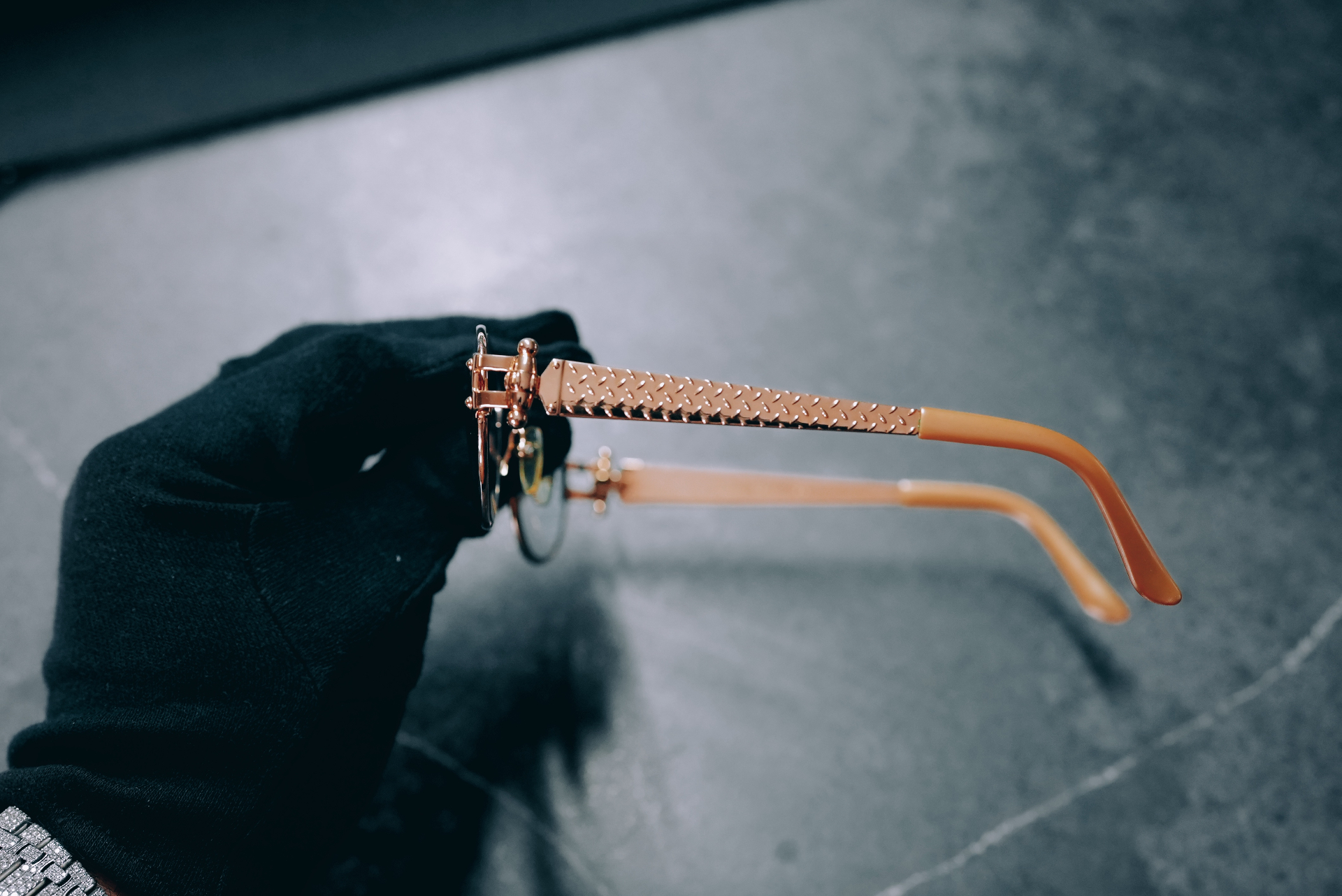
Look closely at the hinges, screws, and finishing. Vintage designer frames used quality hardware and clean construction consistent with their era. Mismatched screws, rough joints, or modern-looking hardware on a "vintage" frame are red flags. (For Cartier specifically, the screw motif is itself an authentication anchor.)
Lenses and etchings.
Some houses etched logos or markings into the lenses. Original lenses also tend to show period-appropriate tints and glass (not modern injection-molded plastics). Replaced lenses aren't always a dealbreaker — but they should be disclosed.
Case, papers, and provenance.
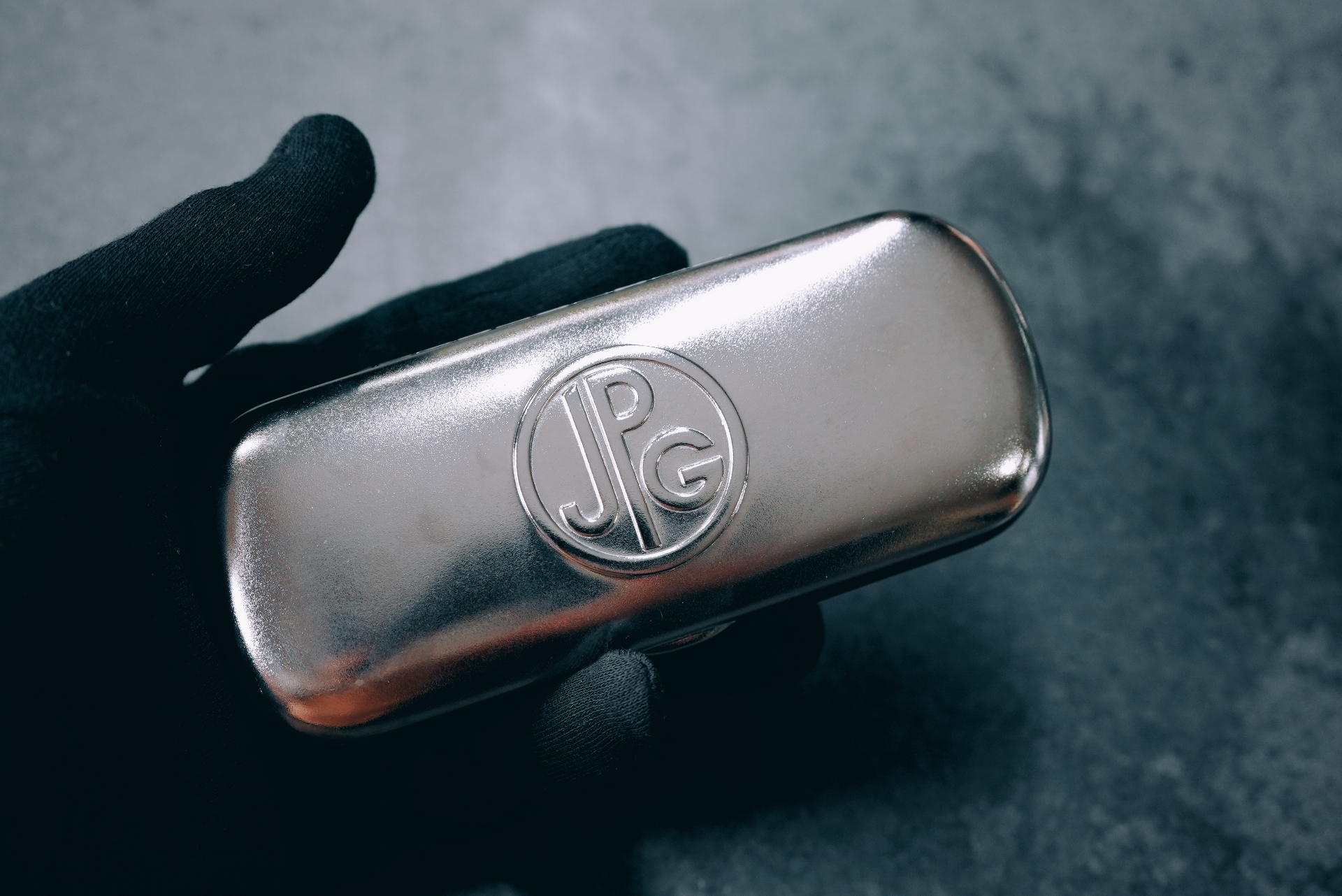
Original cases, cloths, and paperwork add confidence and value. Most important of all is provenance — a credible seller who can tell you where the piece came from and stands behind its authenticity.
Walk away if you see these.
- Prices that seem too good to be true for a known grail.
- Sellers who can't or won't speak to authenticity or origin.
- Blurry photos that conveniently hide the markings.
- Engravings that look shallow, uneven, or wrong for the era.
- "Vintage" frames that feel suspiciously light or modern.
Who you buy from is everything.
For rare, one-of-one pieces, who you buy from matters as much as what you buy. A reputable curator authenticates, condition-grades, and stands behind every frame — so you're buying a verified artifact, not a gamble.
Every piece, authenticated.
858 Vintage authenticates and condition-grades every 1-of-1 piece — JPG, Cartier, and more — so you never have to guess.
Frequently asked questions.
- How can you tell if vintage sunglasses are real?
- Check the model number and engraving quality, country-of-origin markings, materials and weight, hardware and construction, lens details, and provenance from a credible seller.
- What materials did real vintage designer frames use?
- Commonly titanium, gold plating or solid gold, quality acetate, buffalo horn, and real glass lenses — all with a distinctive weight and finish.
- Is a replaced lens a dealbreaker?
- Not necessarily, as long as it's disclosed. Authenticity of the frame itself and honest condition grading matter most.
- Where's the safest place to buy vintage eyewear?
- From a reputable curator who authenticates and condition-grades each piece and can verify provenance.